


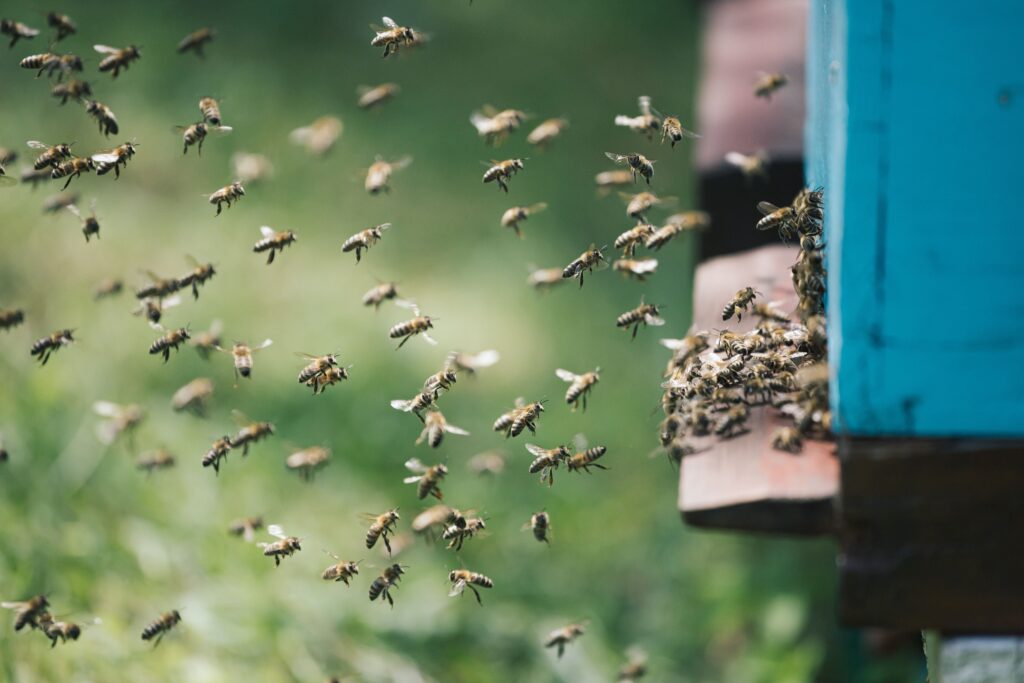
Finding bees at the same spot on your property week after week is frustrating. You move them on or spray the area, and a few days later they’re back. A bees inspection in Melbourne can quickly show whether you’re dealing with a passing visit or a settled colony.
There is usually a reason, and it rarely comes down to bad luck. Whether you’ve noticed a few bees or a steady stream, the cause is often easier to fix than you’d think. Read on to learn what attracts bees, the signs to watch for and what actually keeps them away from your home.
They’re Following the Scent of an Old Hive
Bees leave scent markers, called pheromones, around a nest site. Scouts from new swarms pick up these signals and treat the spot as a good home. That’s why bees often return even after a hive has been removed.
Old honeycomb and wax residue make it worse. If a previous colony was killed or taken away without clearing the comb, the smell can linger in a wall or roof cavity for months. New bees then move in as though the space was waiting for them.
Reusing an old nest site saves bees a lot of work. They don’t need to build new comb from scratch, which makes a previously occupied cavity far more appealing than an empty one. A hive removed years ago can still attract new colonies.
Clearing out all comb and wax is the only reliable fix. A surface spray or a quick relocation usually leaves the scent behind, so the problem returns the following season.
Your Property Offers Shelter They Can’t Resist
Bees look for dry, protected cavities with a small entry point. Roof voids, wall gaps, eaves, old chimneys, meter boxes and hollow fence posts all fit the bill. Even a gap the width of a pencil can be enough.
Melbourne’s weather plays a part, too. A sunny, north-facing wall that stays warm on a cool morning is an attractive place for a colony to settle.
Homeowners often find the bees entered through a damaged vent or a gap near the roofline that went unnoticed for years. Bees can squeeze through tiny openings, then work deeper into the cavity. By the time the colony is noticeable, the hive may already be sizeable.
Walk around your property and look for small holes, cracked mortar and loose vents. Seal these gaps once the bees are gone. Never block an entrance while bees are still inside, as trapped bees often chew through plasterboard and end up in your living space.
Food and Water Sit Close By
Bees rarely nest far from what they need. Flowering gardens, fruit trees, herbs and native shrubs offer plenty of nectar and pollen, especially through spring and summer.
Water matters just as much. Leaking taps, dripping air conditioners, pet bowls, bird baths and damp soil draw bees in on warm days. A bee that finds a reliable water source will keep coming back, and others often follow.
Position matters, too. A nest near water and flowering plants saves worker bees long flights, which helps the colony grow faster. If you see bees drinking at the same tap or bird bath daily, watch which direction they fly off in, as it can help you track down a hidden nest.
You don’t need to rip out your garden. Move water sources away from doors and outdoor seating, fix leaks and keep drip trays clean. Small changes like these reduce traffic near the house and make it less likely that a visiting group decides to stay.
Spring Swarming Season Brings Fresh Scouts
Bee activity in Melbourne peaks between September and February. This is when strong colonies outgrow their space and the old queen leaves with part of the colony to find a new home.
A swarm may rest on a branch or fence for a few hours, or a couple of days, while scouts search for a permanent site. If your property has a suitable cavity, they may choose it. When bees show up at the same spot every year, that pattern is a strong sign.
Swarms look alarming but are often calm, because the bees have no home or brood to defend yet. Keep children and pets back, and don’t spray or throw anything at the cluster. Call a professional if the swarm hasn’t moved on after a couple of days or sits near a doorway.
Check rooflines, eaves and sheds at the start of spring. Catching a new colony early makes removal simpler and lowers the risk of damage to your home.
Not Every Bee Is the Same Species
Different bees return for different reasons. Blue banded bees, for example, nest in soft mortar, mud brick and clay, so they may keep coming back to an old wall. Masked bees prefer small hollows in plant stems and timber, often in garden beds or weathered fence rails.
Yellow and black carpet bees are drawn to soft or weathered timber, such as pergolas and eaves, where they bore small nesting tunnels. Stingless bees live mostly in warmer northern regions, so a colony in Melbourne is uncommon and often a managed hive. Some people also report red bees, which are usually a colour variation of a common species and worth confirming with a professional.
Native bees are important pollinators, and most are solitary rather than living in a large colony. They rarely sting and don’t build honeycomb.
Knowing the species matters because it changes the removal method. Many native bees are harmless and worth protecting, while a large honey bee colony inside a wall needs proper removal.
What a Professional Inspection Tells You
An inspection confirms exactly what you’re dealing with. A technician identifies the species, finds the entry point and checks how far the colony extends inside the structure. Often the visible entrance is only a small part of the hive.
It also explains why the bees chose your property. Technicians look for old comb, scent trails, gaps and nearby food or water sources. You walk away knowing what to fix, rather than guessing.
Inspections also offer peace of mind. If the bees turn out to be a harmless native species, you may not need removal at all. Honest advice like this is what you should expect from a reputable pest controller.
After a removal, a follow-up bees inspection in Melbourne can confirm the area is clean and sealed. Booking it before the next spring swarm season gives you the best chance of keeping bees away for good.
If bees keep turning up on your Melbourne property, Bees Removal Melbourne is happy to help. Our team can inspect the area, identify the species and explain the safest way to remove the bees and stop them returning.
We service suburbs close to the city, including Carlton, Parkville, Docklands, Kensington, Albert Park and Port Melbourne. Call us on 03 9021 3752 to book an inspection or ask a question about your bee problem. We’re available around the clock for urgent jobs.