


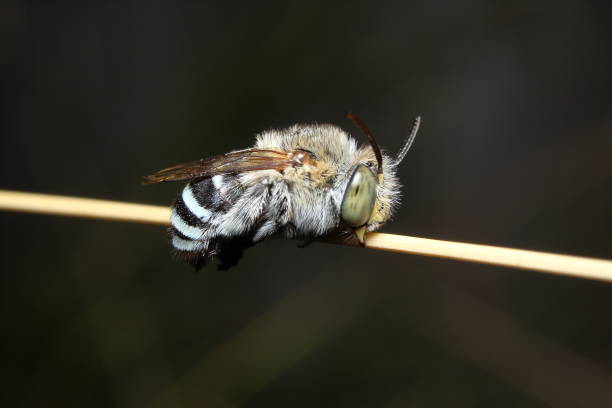
Finding a bee colony nestled inside your roof cavity can feel unsettling — and understandably so. Bees can move into the smallest of gaps and quickly build a hive that grows to thousands of insects. The challenge isn’t just the bees themselves; it’s removing them without tearing apart your ceiling, roof tiles, or insulation. That’s exactly where professional bee control in Melbourne makes all the difference. Unlike DIY attempts that often cause more harm than good, trained bee removalists use proven methods to locate, extract, and relocate the colony — all while keeping your home structurally intact.
Why Roof Cavities Are a Common Spot for Bee Colonies
Bees are remarkably clever when it comes to choosing a home. Roof cavities offer almost everything a colony could want — shelter from rain and wind, warmth, darkness, and a relatively stable temperature. These conditions are ideal for raising brood and storing honey.
Most homeowners don’t even realise bees have moved in until the colony is well-established. By then, the hive can contain tens of thousands of bees and a significant amount of honeycomb. The longer a colony stays, the more complex the removal becomes.
Common entry points include broken roof tiles, gaps around fascia boards, vents without proper mesh, and cracks near eaves. Even a gap as small as a centimetre can be enough for a scout bee to flag as a potential new home for the swarm.
Understanding why bees choose roof cavities helps homeowners take preventative steps — but once they’re in, professional help is the safest and most effective path forward.
The Initial Assessment: What Professionals Look For First
Before any removal work begins, a qualified bee removalist will carry out a thorough inspection of the property. This isn’t just a quick look around — it’s a systematic assessment designed to understand the full scope of the situation.
The technician will look at the flight path of the bees, the entry and exit points on the roof, and how long the bees appear to have been present. They’ll also try to estimate the size of the colony, which directly influences the removal strategy and the time required.
In some cases, a thermal imaging camera or an endoscopic camera is used to detect where the honeycomb is located within the cavity without breaking open the ceiling. This non-invasive approach saves time and avoids unnecessary damage to your home.
The assessment also considers the type of bee involved. Different species, such as European honey bees or native bees, require slightly different handling approaches. A trained eye can identify the species quickly and plan the removal accordingly.
Safe Removal Techniques That Protect Your Roof Structure
The removal process itself is where professional expertise truly shines. Rather than using aggressive extermination chemicals or tearing through your ceiling, professionals use targeted techniques that address the root of the problem.
One of the most common methods is the use of a bee vacuum — a specially designed device that gently suctions bees without harming them. The bees are collected into a holding box and later relocated to a safe environment, often a beekeeper’s apiary.
When access to the hive is needed, professionals work through the smallest possible opening — typically an existing gap or a minimal cut that can be easily sealed afterwards. This approach minimises structural disruption and reduces repair costs significantly.
Smoke is sometimes used to calm the colony during removal, making the bees less defensive and easier to manage. This is a technique that’s been used by beekeepers for centuries and is still one of the safest and most effective tools in the trade.
Critically, the queen bee must also be removed. If the queen is left behind, surviving bees will stay or a new swarm may return to the same cavity. Professionals are trained to locate and safely extract the queen as part of the process.
Dealing with Honeycomb Left Behind in the Roof
One aspect of bee removal that’s often overlooked is what happens to the honeycomb after the bees are gone. If honeycomb is left inside a roof cavity, it can cause serious problems — and this is where many DIY removals go wrong.
Without bees to regulate the temperature, wax combs will begin to melt in warm weather. The honey inside can seep through ceiling materials, causing staining, structural damage, and attracting other pests such as ants, cockroaches, and even rodents.
Fermented honey also produces a strong odour that can persist for months. Left unchecked, it can create an ideal breeding ground for mould and bacteria, which poses health concerns for the occupants of the home.
Professional removalists understand the importance of extracting as much comb as possible during the process. They use appropriate tools to reach into the cavity and remove the wax structure, reducing the likelihood of secondary infestations or property damage.
Once the honeycomb is removed, the area is cleaned and treated to eliminate residual scents that might attract future swarms to the same spot.
Sealing Entry Points to Prevent Bees From Returning
Removing the existing colony is only half the job. Without proper sealing, your roof cavity remains an open invitation for the next passing swarm. Preventative work is just as important as the removal itself.
After the bees and honeycomb have been removed, a professional will conduct a thorough inspection of all potential entry points. Every gap, crack, and unsealed vent is assessed and addressed using appropriate materials such as wire mesh, expanding foam, or silicone sealant.
Roof tiles that have shifted or cracked are flagged for repair. Fascia boards with gaps are sealed. Vents that lack protective mesh are fitted with fine stainless steel screens that allow airflow without providing access for bees or other insects.
This proofing work isn’t just about bees — it also helps guard against other pests such as wasps, possums, and rodents who look for similar entry points around rooflines.
Many professional services also offer a follow-up visit to ensure the sealing has held and that no new bee activity has been detected. This kind of ongoing care gives homeowners genuine peace of mind.
Why Attempting DIY Bee Removal From a Roof Is Risky
It’s tempting to try handling a bee problem yourself, especially with so much advice available online. But when bees are inside a roof cavity, DIY removal carries real risks — to your safety and to your home.
Disturbing a hive without the right protective gear can trigger a defensive response. Even non-aggressive species like honey bees will sting in large numbers if they feel threatened, and this can be genuinely dangerous, particularly for anyone with an allergy.
Without proper tools and training, it’s also very easy to cause unintended structural damage. Prying apart roof sections or cutting through ceiling boards without knowing where the hive is located often results in costly repairs that far outweigh the savings of going DIY.
Using over-the-counter pesticide sprays inside a confined roof space creates additional hazards — chemical residues, dead bees decaying inside the walls, and melting honeycomb that still attracts pests long after the colony is gone.
The bottom line is that roof cavity bee removal is a specialised job. The combination of working at height, handling live bees, and navigating tight spaces makes it a task best left to people with the training, equipment, and experience to do it safely and thoroughly.
Got Bees in Your Roof? Call the Experts Today.
If you’ve spotted bees entering your roof cavity or noticed unusual activity around your eaves, don’t wait for the problem to grow. The sooner you act, the simpler and less costly the removal will be.
Bees Removal Melbourne is a local, trusted team of certified bee removalists who handle roof cavity removals with care, precision, and respect for your property. Using humane, eco-friendly methods, they’ll safely extract the colony and seal your home against future intrusions — without causing unnecessary damage.
They proudly service homeowners across Melbourne and surrounding suburbs including Glen Waverley, Glenroy, Essendon North, Yarraville, Reservoir, Brunswick, and Footscray — with fast response times and 24/7 emergency availability.
Call Bees Removal Melbourne today on 03 9021 3752 for a free quote and let the professionals take care of it the right way.