


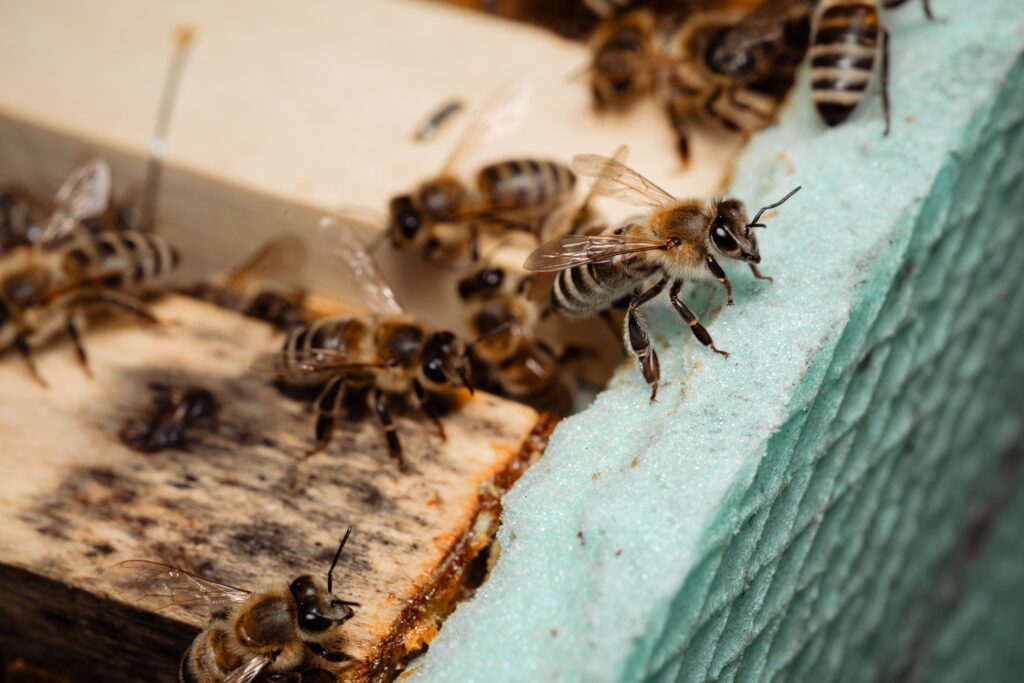
A single beehive left inside a roof cavity can turn into a colony of thousands within a few short months. Many Victorian homeowners hear a faint buzzing sound in the ceiling and assume it will sort itself out on its own. It won’t. The longer a colony stays, the more damage it causes to timber, insulation, and plasterboard, and the harder it becomes to remove safely. This is exactly why homeowners search for bees control in Melbourne each spring and summer, when bee activity peaks across the suburbs. Understanding what actually happens inside your roof over time can help you act before a small problem turns into an expensive one.
Why Bees Choose Roof Cavities in the First Place
Roof cavities offer everything a bee colony needs to thrive. They’re dark, dry, warm, and safe from predators and rough weather. Gaps around roof tiles, eaves, and vents give worker bees easy access, while the space between the roof and ceiling stays at a fairly stable temperature all year round.
Once a scout bee finds a promising gap, it signals the rest of the swarm. Within days, the colony can settle in and start building comb. Many homeowners searching for bee removal near me don’t realise their roof was already being scouted weeks earlier.
Older Melbourne homes with weatherboard cladding or ageing tile roofs tend to be more attractive to bees, simply because there are more small gaps for entry.
The Hidden Damage a Long-Term Hive Can Cause
A beehive doesn’t just sit quietly in your roof. As the colony grows, worker bees produce wax comb, honey, and propolis, all of which add weight and moisture to the cavity over time.
Honey can eventually seep through plasterboard ceilings, leaving sticky brown stains that are difficult to clean and often need a full ceiling replacement. The extra moisture from a hive can also encourage mould and attract other pests such as ants and cockroaches, which is where broader bee pest control support becomes useful.
Left for a year or more, the weight of the comb can even weaken timber battens, especially in older roofs that weren’t built to carry the extra load.
Health Risks for Your Family and Pets
A large hive close to living areas increases the chance of bees entering through light fittings, vents, or small cracks in the ceiling.
This is a genuine concern for anyone with allergies, young children, or pets, since a disturbed hive can lead to multiple stings in a short space of time.
Dead bees and decaying comb left inside the roof can also lower air quality in the home, particularly once the hive has been there for an extended period without proper bee nest removal.
How to Tell You Have a Hive Growing in the Roof
Most homeowners notice the signs gradually rather than all at once. Keep an eye out for:
- A steady buzzing or humming sound from the ceiling, especially on warm days
- Bees flying in and out of the same gap near the eaves or roofline
- Small brown or yellow stains appearing on the ceiling
- A faint honey smell in upper rooms of the house
If you notice two or more of these signs, it’s worth booking a bee hive removal inspection before the colony has a chance to grow any larger.
Why DIY Removal Makes the Problem Worse
Sealing the entry point or spraying a hive with off-the-shelf insecticide might seem like a quick fix, but it rarely solves the real problem.
Trapped bees can chew through new gaps to escape, and a dead colony left inside the roof will still leave behind honey, wax, and decomposing bees. Choosing a professional bee removal service also avoids the safety risk of disturbing thousands of bees without the right protective equipment.
This is one of the main reasons Melbourne homeowners eventually turn to bees control in Melbourne specialists rather than attempting removal themselves.
The Safe Way to Deal With a Roof Beehive
A trained bee exterminator will assess the size of the colony, locate every entry point, and remove the hive without leaving honey or comb behind, which is what causes most repeat infestations.
Safe removal also includes closing off the original entry gaps so bees, or other pests, can’t move back into the same spot later.
Because every roof is different, a proper inspection is the best way to know exactly what’s involved before any removal work begins.
The Longer You Wait, the Bigger the Problem
Leaving a beehive inside your roof for too long rarely ends well. What starts as a faint buzz can turn into stained ceilings, weakened timber, and a health risk for your household. The earlier a hive is found and removed, the simpler and more affordable the job tends to be. Melbourne’s warmer months make roof cavities especially appealing to bees, so it pays to act at the first sign of activity rather than waiting for the problem to grow.
Get in Touch With Bees Removal Melbourne
If you’ve heard buzzing in your ceiling or spotted bees near your roofline, don’t wait for the colony to grow. Bees Removal Melbourne offers safe, experienced hive removal for homeowners across Glen Waverley, Glenroy, Essendon North, Yarraville, and nearby suburbs including Coburg and Preston. Our team inspects your roof, removes the hive without unnecessary damage, and helps stop bees from coming back. Give us a call on 03 9021 3762 to book an inspection or ask a question about what’s happening in your roof. We’re happy to help, no matter how big or small the hive turns out to be.