


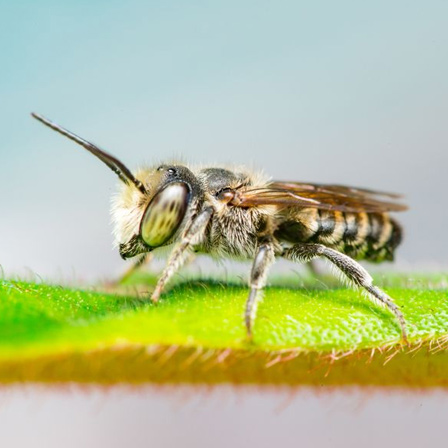
Australia is home to a wide variety of native bee species, each playing an important role in maintaining the ecological balance. One such lesser-known pollinator is the leaf cutter bee, a solitary but fascinating insect known for its distinctive nesting habits. Unlike honeybees that live in colonies, leaf cutter bees work alone, cutting neat circles from leaves to build their nests. For homeowners, especially in urban or garden-rich suburbs, understanding their behaviour can help prevent structural damage and protect biodiversity. If you’re noticing circular cut-outs on your plants or increased bee activity, it may be time for a bees inspection in Melbourne to understand what’s living around your home and how to manage it safely.
What Makes Leaf Cutter Bees Unique?
Leaf cutter bees are part of the Megachilidae family and are easily identified by their habit of removing perfect semi-circular or oval cuts from leaves. These cuts are not random; they are used to construct small cells within their nests where they lay eggs.
They are solitary creatures. Unlike honeybees or wasps, they don’t form hives or swarms, which often makes them less noticeable. However, they can still become a nuisance when they start nesting in garden furniture, timber posts, wall cavities, or gaps in brickwork.
Their activity peaks in the warmer months, usually between October and March. They’re also excellent pollinators and play a critical role in supporting both native flora and home gardens.
Are Leaf Cutter Bees Harmful to Plants or People?
Despite their alarming name and busy cutting behaviour, leaf cutter bees are not considered aggressive or harmful to humans. They rarely sting unless directly handled, and even then, the sting is mild.
As for plants, the cutting of leaves doesn’t generally damage the plant’s health. Most healthy plants can easily tolerate the removal of small leaf sections. However, for those who take pride in their garden aesthetics or have delicate ornamentals, the cosmetic damage might be an issue.
While they are helpful pollinators, it’s essential to ensure they’re not nesting inside your home’s timber features. If that occurs, seeking a bees inspection in Melbourne can help confirm their presence and assess whether intervention is needed.
Where Do Leaf Cutter Bees Nest and Why It Matters
Leaf cutter bees look for pre-existing holes or soft timber to make their nests. They may use old borer holes, cracks in timber fences, irrigation pipes, or even small holes in garden furniture.
What makes them unique is how they use leaf material to create individual chambers in these spaces. Each chamber contains a ball of pollen and nectar to feed the developing larva.
If left unmanaged, this nesting behaviour can result in multiple bees nesting in the same wooden structure, which may eventually weaken it. While not as destructive as termites or carpenter bees, a growing population of leaf cutter bees may still raise concern for long-term property upkeep.
In such cases, it’s wise to consider the bee control cost in Melbourne as part of your property maintenance budget especially if you live in garden-heavy suburbs or own older timber-framed homes.
Signs You May Have Leaf Cutter Bees on Your Property
You may not always see these bees directly, but you can detect their presence through a few telltale signs:
- Circular cuts in leaves: These are the most obvious markers. Look closely at rose bushes, creepers, and soft-leafed plants.
- Increased bee activity: Unlike honeybees, leaf cutter bees move quickly and hover close to surfaces as they search for nesting spots.
- Presence of sawdust or fine frass near timber: If bees are burrowing into soft wood, you may notice fine shavings.
- Buzzing from gaps in outdoor furniture or eaves: Their presence becomes more noticeable as their numbers grow.
Prompt identification can prevent further nesting and reduce the risk of damage. A professional bees inspection in Melbourne can help clarify whether you’re dealing with leaf cutters, other solitary bees, or a larger hive-based infestation.
Safe Removal and Management Strategies
It’s important to remember that leaf cutter bees are native pollinators and should not be harmed unnecessarily. In many cases, if they’re not posing a direct threat or causing property damage, the best action is to leave them undisturbed.
However, if they’ve chosen inconvenient or unsafe nesting spots, such as inside walls, under decks, or around children’s play areas, then safe removal becomes necessary. Here’s what can be done:
- Seal unused holes and cracks in wood, bricks, or garden items during winter when bees are inactive.
- Install bee hotels away from your main structures to redirect leaf cutter bees to safe, controlled areas.
- Avoid pesticides, especially in blooming gardens; they harm bees and disrupt the ecosystem.
- Consult a professional bee control expert if nesting becomes extensive. Safe, non-lethal relocation is possible and often recommended.
Taking action early not only safeguards your property but also helps preserve these beneficial pollinators.
When to Seek Professional Help
Not all bee activity needs professional removal, but there are some situations where calling in experts is the right decision:
- You’ve noticed multiple leaf cutter bees nesting inside timber or structural areas.
- There are signs of deterioration in garden fixtures or wooden trims.
- You’re unsure what type of bee you’re dealing with; some solitary bees closely resemble wasps or other stinging insects.
- You want to relocate bees humanely without harming them.
Getting advice from licensed experts gives you a clear picture of the risks, relocation options, and long-term solutions. It also ensures your safety especially if young children or pets are present in the household.
Many homeowners find that the bee control cost in Melbourne is worthwhile for the peace of mind and long-term protection it offers.
Take Early Action Against Nesting Bees in Your Area
Noticed signs of leaf cutter bees around your garden or property? From perfectly cut leaf circles to buzzing near wooden structures, these subtle clues shouldn’t be ignored. Early detection through a professional bees inspection in Melbourne helps manage the situation before it grows. Reach out to Bees Removal Melbourne on 03 9021 3762 for personalised support and ethical, eco-conscious solutions. Whether you’re located in Bellfield, Northcote, Balaclava, Alphington and Travancore, or any part of Greater Melbourne, their team is ready to help you protect your home and preserve essential pollinators without the stress.