


Melbourne’s rich biodiversity supports a wide variety of bee species, many of which are harmless, even helpful. However, when these bees begin nesting near or inside homes, their presence can pose safety risks, especially for those with allergies or young children. Understanding which bees are common around Melbourne suburbs is key to protecting both your home and the vital role these pollinators play in the environment.
Whether you’ve noticed increased bee activity or unexplained buzzing in the walls, effective bees pest control in Melbourne starts with knowing what you’re dealing with. This guide explores five frequently encountered species in residential areas and what they mean for your safety, comfort, and long-term property care.
1. Leafcutter Bees – The Garden Architects
Leafcutter bees are fascinating little creatures that cut perfect circles out of leaves to build their nests. They usually settle in soft rotting wood, loose soil, or hollow plant stems. These solitary bees rarely sting and are vital pollinators for many plants.
Although harmless to humans, their presence inside sheds, garden furniture, or under eaves might indicate that your property has soft, untreated timber ideal for nesting. In some cases, repeated nesting by leafcutter bees can lead to minor but visible cosmetic damage in gardens or wooden features.
Spotting small, round holes in leaves or observing bees carrying green fragments may be your first clue. While DIY solutions might seem easy, the better option is professional bee removal in Melbourne prices that prioritise both safe extraction and prevention.
2. Blue Banded Bees – Striking Looks, Surprising Sound
Known for their metallic blue stripes, blue banded bees are solitary and often seen hovering near flowers. They perform “buzz pollination,” vibrating flowers to release pollen, which makes them highly beneficial for veggie gardens and native flora.
These bees are generally non-aggressive but are sometimes mistaken for more threatening species due to their loud buzzing and rapid movements. If they find a suitable nesting site near a home, like a hole in a brick wall or an unused pipe, they can become unwelcome guests.
If you notice frequent buzzing near walls, especially in older homes with exposed mortar, it might be time for a bees inspection in Melbourne to confirm whether these buzzing visitors are more than just passing pollinators.
3. Teddy Bear Bees – Gentle Yet Resourceful Nesters
With their fluffy golden-brown appearance, teddy bear bees look as soft as their name suggests. These solitary bees usually nest in the ground, preferring loose soil or garden mulch near flowering plants.
They dig small tunnels to lay eggs and are generally shy, avoiding human contact. However, when disturbed especially by digging pets or lawn work they may sting in self-defence. Large numbers in one area can also indicate nesting aggregation, which could pose a safety issue.
They’re most active in spring and early summer but may retreat to their burrows in colder months. Spotting a cluster of small holes in your garden or along the base of sheds could mean a nesting site is nearby.
4. Yellow and Black Carpet Bees – Ground-Dwellers That Blend In
These bees are often mistaken for wasps due to their colouring, but they’re much less aggressive. Yellow and black carpet bees prefer well-drained soil and create shallow nests in lawns, especially in areas with minimal foot traffic.
Their nests may not always be easy to spot unless you notice subtle changes in your grass such as small mounds or loose soil. Left undisturbed, they tend to avoid confrontation. However, large nesting groups or regular bee traffic in lawns and garden beds may make outdoor activities uncomfortable.
If you’re dealing with repeated infestations in soft ground, it’s worth consulting experts who can assess and apply environmentally safe relocation practices.
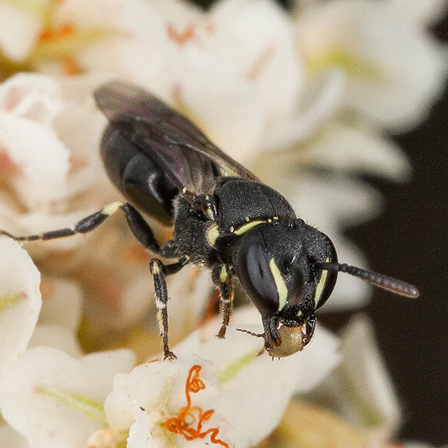
5. Masked Bees: Fast Flyers Often Mistaken for Wasps
Masked Bees are small, sleek, and resemble wasps due to their black-and-yellow markings. They nest in narrow cavities such as hollow twigs, wall cavities, or under eaves. Their presence around porches and sheds in areas like Bellfield and Footscray often causes concern due to their appearance.
Though non-aggressive, their speed and flight pattern may alarm homeowners. These bees are solitary and unlikely to swarm, but indoor sightings or activity in living spaces like roof cavities should not be ignored.
Inspection and early identification can prevent accidental contact and ensure they don’t begin nesting in hard-to-access places. If you’re unsure whether you’re dealing with wasps or bees, it’s best to consult a professional before attempting any DIY removal.
Why Early Identification Matters
Spotting bees early on means you can take steps to prevent structural issues, allergic reactions, or unnecessary harm to beneficial species. Many of Melbourne’s native bees are solitary and non-aggressive, yet their nesting habits can cause unintentional damage when hives go unnoticed in timber, brickwork, or garden areas.
Professional inspections are especially helpful during spring and early summer when bee activity spikes. If you’re in suburbs like Clarkefield, Bellfield, Alphington, Footscray, or Elsternwick, getting ahead of the issue can help avoid disruptions.
What to Do If You Spot a Bee Nest on Your Property
If you’ve noticed recurring buzzing, small holes in timber or soil, or signs of leaf damage, it’s time to act. Avoid using sprays or sealing holes on your own; these methods can trap bees and escalate the problem. Instead, consult a licensed removal team experienced in humane, eco-conscious techniques. They’ll identify the species, recommend a safe course of action, and help prevent future nesting.
Remember, many bee species are protected or important for the environment, and the goal should always be relocation over extermination. Not sure which type of bee has taken up residence near your home? Book a professional inspection before it turns into a bigger issue. Bees Removal Melbourne offers tailored solutions that respect both your home and local ecosystems.
Call 03 9021 3762 today for expert advice, ethical bee control, and reliable service across Clarkefield, Bellfield, Alphington, Footscray, or Elsternwick. Bee safety starts with the right knowledge and the right team.