


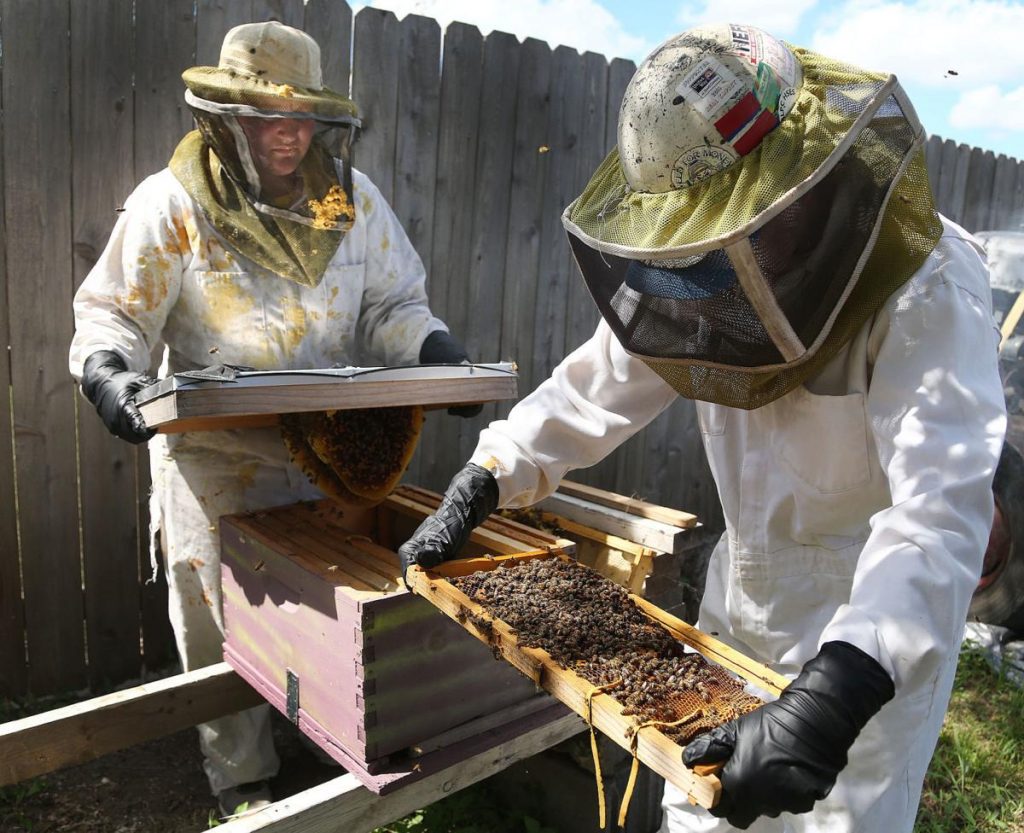
Bee activity around a home is often easy to dismiss until it becomes a serious problem. Many homeowners assume bees will eventually move on, but the truth is that early signs should never be ignored. A simple buzzing sound in a wall cavity or bees entering a small gap is more than a minor inconvenience. These signs indicate the possible start of a colony, one that can grow quickly and cause unexpected issues. Scheduling a bees inspection in Melbourne is one of the most effective ways to identify risks early and avoid costly complications later. Understanding the dangers associated with leaving bee activity unchecked can help protect both your property and your household.
Silent Infestations: Why Bees Often Go Unnoticed
Bee infestations rarely start with a dramatic swarm. Instead, they begin quietly. A few bees may explore a small gap near the roofline, a vent, or under decking, and before long, a hive begins to form.
Many homeowners only discover the problem once the colony is well established.
This happens because:
- Bees prefer sheltered, undisturbed areas.
- Early hive construction makes little noise.
- Entry points are often small and easily overlooked.
Once bees identify a safe location, they expand their hive rapidly. What started as a small group can grow into thousands within weeks. When ignored, the hive increases in size, making removal more difficult and increasing the chance of bees spreading into other sections of the home.
Neglecting early activity also allows the hive to strengthen. Mature hives become more protective, making any disturbance risky without professional help.
Structural Damage Hidden Behind Walls
Many people don’t realise how much damage a bee colony can cause not because bees chew through timber, but because their hive materials create ongoing structural issues.
Honeycomb absorbs heat and melts during warm weather. Melted honey can:
- Seep into walls and insulation
- Stain ceilings
- Attract mould growth
- Warp or soften timber
Walls affected by honey may require repairs, new insulation, or plaster replacement. The scent of honey also attracts other pests like ants and rodents, causing further damage. Over time, a neglected hive increases the risk of costly restoration work.
Homes built with older materials or with natural ventilation gaps are particularly vulnerable. This makes regular inspections especially valuable in established suburbs.
Safety Risks for Families and Pets
Bees are generally peaceful when left alone, but a hive close to living spaces increases the likelihood of unintentional contact. Bees become defensive when their hive is threatened, and even minor vibrations like closing a door or using power tools can disturb them.
This poses serious risks:
- Allergic reactions from stings
- Increased sting risk for children or pets
- Aggressive behaviour during breeding seasons
- Swarming if the colony becomes overcrowded
Even a single sting can be life‑threatening for individuals with allergies. When hives are located near entryways, play areas, garages, or outdoor living spaces, the danger becomes more significant.
Ignoring bee activity increases the risk of accidental encounters, particularly during warm months when bee activity is highest.
Secondary Pest Problems Caused by Abandoned Hives
An overlooked hive that becomes inactive does not mean the problem is gone. Abandoned hives often attract other unwanted pests. Honey, wax, and leftover brood material attract:
- Cockroaches
- Ants
- Mice
- Moths
- Beetles
These pests take advantage of the remaining organic material, creating a new infestation inside your home. Secondary pest issues are often harder to control and may require separate pest management treatments.
For homeowners in leafy areas or close to nature reserves, this risk is even higher. Allowing a hive to remain unchecked means increasing the likelihood of dealing with multiple pest problems rather than just one.
Environmental Considerations: Bees Need Protection Too
While unmanaged bees can cause problems, they remain essential to ecosystems. Many people hesitate to remove bees for fear of harming them, but ignoring them is not helpful for the home or the bees.
Ethical bee removal focuses on:
- Safe relocation
- Protecting Native Species
- Supporting Pollination in healthier Environments
Professionals assess the hive, identify the species, and determine whether relocation is necessary. This ensures bees are protected while homeowners maintain a safe environment. It’s a balanced approach that respects both ecological needs and household safety.
Suburbs known for abundant gardens and green spaces often benefit most from sustainable removal practices, keeping bee populations healthy without compromising public safety.
Why Early Action Makes All the Difference
Addressing bee activity early is always easier, safer, and more cost‑effective. Small hives are manageable. Large hives demand more time, more resources, and more safety precautions. Early identification avoids:
- Complex structural repairs
- Increased Sting Risks
- Expensive Treatments
- Multi‑Colony Spread
- Long-Term Damage
A bees inspection in Melbourne gives homeowners valuable insight before the problem escalates. Ignoring early signs doesn’t just risk property, it risks the safety of the people living there.
Whether the property is in a newly developed suburb or a long‑established area, proactive action helps homeowners stay in control.
Bee problems should never be ignored, especially when they can grow silently and quickly. If you’ve noticed unusual bee activity, buzzing in walls, or repeated bee sightings near entry points, it’s time to act before the issue becomes harder to manage. Residents across Glenroy, Camberwell, Box Hill, Doncaster, and Footscray. can benefit from early inspection and safe, responsible solutions.
For expert guidance and safe relocation methods, contact Bees Removal Melbourne today. Call 03 9021 3762 to arrange a professional assessment and keep your home safe, protected, and bee‑free with peace of mind.