


Bee Removal Wollert
Bee infestations in Wollert can often go unnoticed until they start causing real trouble—whether tucked inside roof cavities, garden walls, or beneath verandahs. While bees are a vital part of the environment, their close proximity to people can present safety hazards, especially for those with allergies or young children. That’s why early attention is crucial. Bees Removal Melbourne offers expert bee removal services in Wollert, using humane and eco-friendly methods to relocate bees safely.
Bees Removal Near Wollert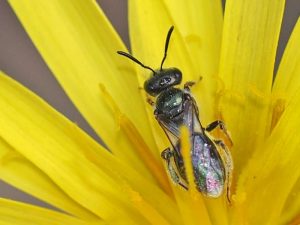
Protecting the modern landscapes and garden estates of Wollert, our team provides expert, humane bee relocation services across the community. Whether you’ve spotted a swarm near a construction site or an active hive in a backyard near Epping Road, we offer 24/7 emergency response to keep your family safe while preserving our local pollinators. From the new developments to established family homes, we ensure a bee-free environment with eco-friendly solutions tailored to the Wollert community.
Why Do You Need Prompt Bee Removal?
Open outdoor spaces and new constructions create ideal environments for bees to settle in unnoticed. A single hive in a wall cavity or shed might not seem urgent, but over time, it can lead to honey leaks, wax build-up, and the attraction of pests like ants or rodents. Delaying bee removal also increases the risk of more colonies forming nearby. Prompt attention prevents long-term property damage and saves you the stress of secondary infestations. Professionals can also seal off access points, helping ensure bees don’t return to the same spot season after season.
DIY vs. Professional Bee Control
The increasing urban sprawl brings residents closer to natural bee habitats. While DIY methods like plugging holes or using sprays might seem quick and affordable, they often overlook hidden nests inside roof spaces or walls. These efforts may disturb the bees, making them defensive and potentially more dangerous. A professional bee control service doesn’t just remove bees—it assesses your property, identifies hidden risks, and implements safe, effective solutions tailored to your environment. With experts, you’re not just reacting to the problem—you’re preventing it from coming back.
Expert Bee Removal Services in Ivanhoe
Wollert’s mix of new housing estates and nearby green spaces creates an ideal environment for bee activity. Expert bee removal in this area requires an understanding of both residential structures and native bee species. Trained professionals focus on safe, chemical-free relocation while ensuring the hive is fully removed. In Wollert, where nature often blends into suburban life, expert beehive control involves a careful balance, protecting residents while preserving pollinators.
Comprehensive Beehive Extraction Services
Wollert’s growing neighbourhoods and nearby open landscapes often attract bees seeking sheltered spaces to build hives. Comprehensive beehive removal in Wollert focuses on removing every part of the hive safely, ensuring no honeycomb or residue is left behind. This thorough approach prevents bees from returning and eliminates the risk of attracting pests. Environmentally responsible methods allow bees to be relocated rather than harmed.
Types of Bees We Handle
Stingless Bees (Tetragonula and Austroplebeia)
These are Australia’s only native social bees that live in colonies with a queen and workers.
• Appearance: Very small (3–5mm), dark-coloured, and often mistaken for small flies.
• Behaviour: As the name suggests, they cannot sting, making them popular for backyard “hive-keeping.” They are excellent pollinators of macadamias and tropical fruits.
• Nesting: They naturally nest in hollow tree trunks or rock crevices. In urban areas like Wollert, they often find homes in water meter boxes or wall cavities.
Yellow and Black Carpenter Bees (Xylocopa)
These are the largest native bees in Australia and are known for their impressive size and loud buzzing.
• Appearance: They have a distinctive glossy black body with bright yellow fur on the thorax.
• Behaviour: They are “buzz pollinators,” meaning they vibrate their flight muscles to shake pollen out of flowers that other bees can’t access (like tomatoes).
• Nesting: They use their powerful jaws to tunnel into soft timber or pithy stems (like dried flower stalks) to create individual nesting chambers.
Reed Bees (Exoneura)
These slender, delicate bees are common throughout suburban Melbourne and regional Victoria.
• Appearance: Small, black, and often have a reddish-brown abdomen.
• Behaviour: They are semi-social, often sharing a nest with several females who cooperate in raising their young.
• Nesting: They nest inside the dried, hollow stems of plants like Lantana, Blackberries, or ornamental grasses. This is why they are so frequently found in landscaped gardens.
Blue Banded Bees (Amegilla)
One of the most iconic and beautiful Australian bees, these are highly solitary but very active.
• Appearance: Usually smooth and black with distinct yellow or white markings on their faces (the “mask”) and thorax.
• Behaviour: They carry pollen internally in their stomach rather than on their legs. They are very docile and move quickly between native flowers.
• Nesting: They often use pre-existing holes in timber or hollow stems, sealing the entrance with a cellophane-like secretion.
Masked Bees (Hylaeus)
These bees look quite different from the “fuzzy” image most people have of bees because they lack specialised hair for carrying pollen.
• Appearance: Large, fat, and covered in dense, orange-brown fur. They look very similar to European bumblebees.
• Behaviour: They are solitary and generally non-aggressive. You will often hear them before you see them due to their deep, loud hum while foraging.
• Nesting: They prefer to build shallow burrows in soft, protected soil, often under houses, in garden mulch, or near timber structures.
Teddy Bear Bees (Amegilla bombiformis)
Closely related to Blue Banded bees, these are the “cuddly” giants of the bee world.
• Appearance: Large, fat, and covered in dense, orange-brown fur. They look very similar to European bumblebees.
• Behaviour: They are solitary and generally non-aggressive. You will often hear them before you see them due to their deep, loud hum while foraging.
• Nesting: They prefer to build shallow burrows in soft, protected soil, often under houses, in garden mulch, or near timber structures.
Leafcutter Bees (Megachile)
Gardeners often notice the work of these bees before they see the bee itself.
• Appearance: They look similar to honeybees but carry their pollen on the underside of their abdomen rather than on their hind legs.
• Behaviour: They cut neat, circular segments out of leaves (often roses or Bauhinia) to line their nests. This doesn’t harm the plant but is a clear sign they are nearby.
• Nesting: They build their nests in small holes in wood or stone, creating “sandwiches” of leaves and resin to protect their larvae.
Homalictus Bees (Lasioglossum/Homalictus)
Often referred to as “Sweat Bees” (though they rarely land on humans in Australia), these are tiny, hard-working pollinators.
• Appearance: Small (usually under 8mm) and often have a beautiful metallic green, blue, or copper sheen.
• Behaviour: They are very active in garden beds and are generalist foragers, meaning they help pollinate a huge variety of Australian flora.
• Nesting: They are ground-nesters, creating tiny, inconspicuous holes in flat, bare patches of soil.
Resin Bees (Megachile)
These are close relatives of the Leafcutter bee but use different materials for construction.
• Appearance: Mostly black with some orange or white tufts of hair; they are often quite robust.
• Behaviour: Instead of leaves, they collect resins and gums from native trees (like Eucalypts) to build their nests.
• Nesting: They love “bee hotels” or existing holes in timber and brickwork. They use the resin to create hard, waterproof partitions between their egg chambers and to seal the nest entrance.
Transparent Pricing for Bee Removal
To keep residents informed and confident, our bee removal price in Wollert is always clear and upfront. A free on‑site inspection allows the issue to be assessed properly before offering an itemised quote. Factors such as access, hive size, and nesting location are explained in plain language. With transparent pricing from the beginning, Wollert homeowners receive a straightforward plan, no hidden costs, and the reassurance that their property will be treated with care from start to finish.
Bee problems in Wollert’s growing neighbourhoods? Don’t let them escalate. Call 03 9021 3752 today for a no-obligation inspection and quote. Our team at Bees Removal Melbourne will handle everything with care, offering fast and stress-free solutions tailored to your space. Let’s restore peace and safety to your home.